
10-day vs 15-day PCB assembly: where the time actually goes
What starts the lead-time clock, why the 15-day option costs less, and the four things most likely to delay a prototype build.
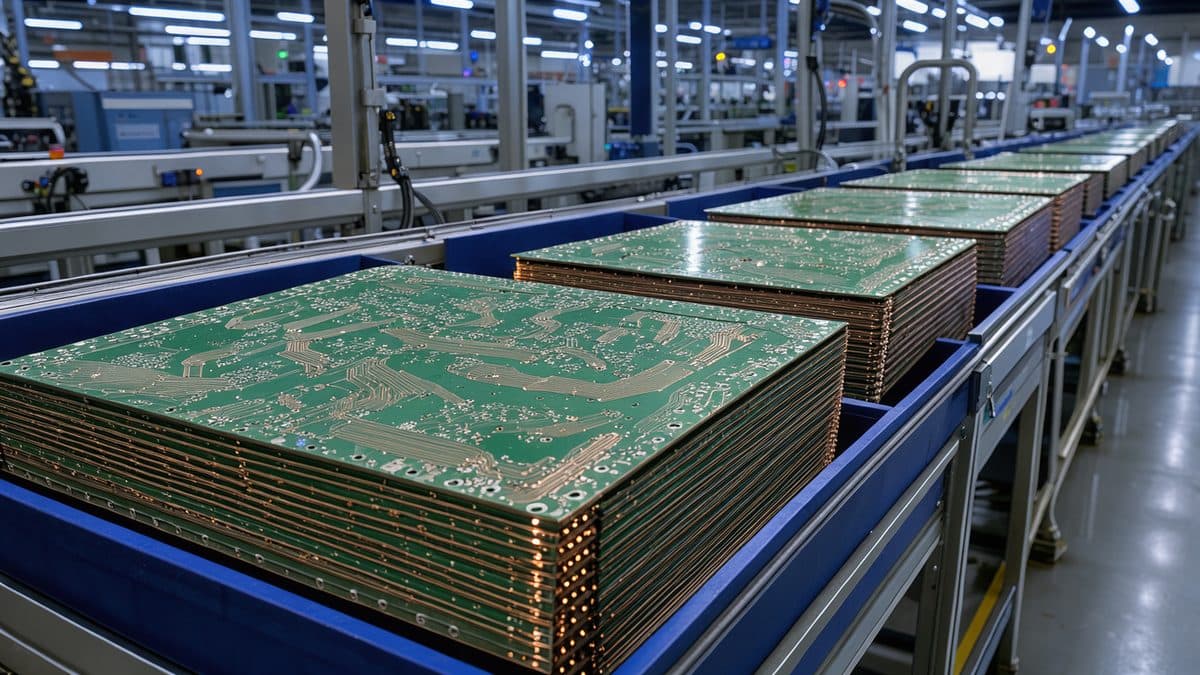
A 10-day assembly quote is not a promise that a machine will start the moment you press submit. It is a schedule that starts when the job is release-ready. The difference between a job that ships in 10 days and one that drifts to 20 is usually visible before the line touches the board.
The clock starts after file review
The lead time in the quote begins once three things are true:
- The Gerbers, BOM and assembly notes have been reviewed.
- Components are available, booked, or received (depending on the sourcing model).
- The quotation is approved and the job is released to production.
If a BOM line is ambiguous or a paste-mask layer is missing, the review cannot finish. The quote may exist, but the schedule has not started. This is why two jobs submitted on the same day can ship a week apart.
The build sequence
A typical mixed-technology assembly moves through:
- File and DFM review — layer and drill checks, BOM-to-placement cross-check, polarity and first-pin verification.
- Stencil and tooling — paste stencil, support tooling, any custom fixtures.
- Programming — machine setup by product, feeder plan, placement optimisations.
- SMT — paste print, placement, reflow, inspection.
- Through-hole — insertion, wave or selective soldering, cleaning where required.
- Test — electrical or functional, depending on what was agreed.
- Final inspection and packing — count, label, moisture protection, shipping documents.
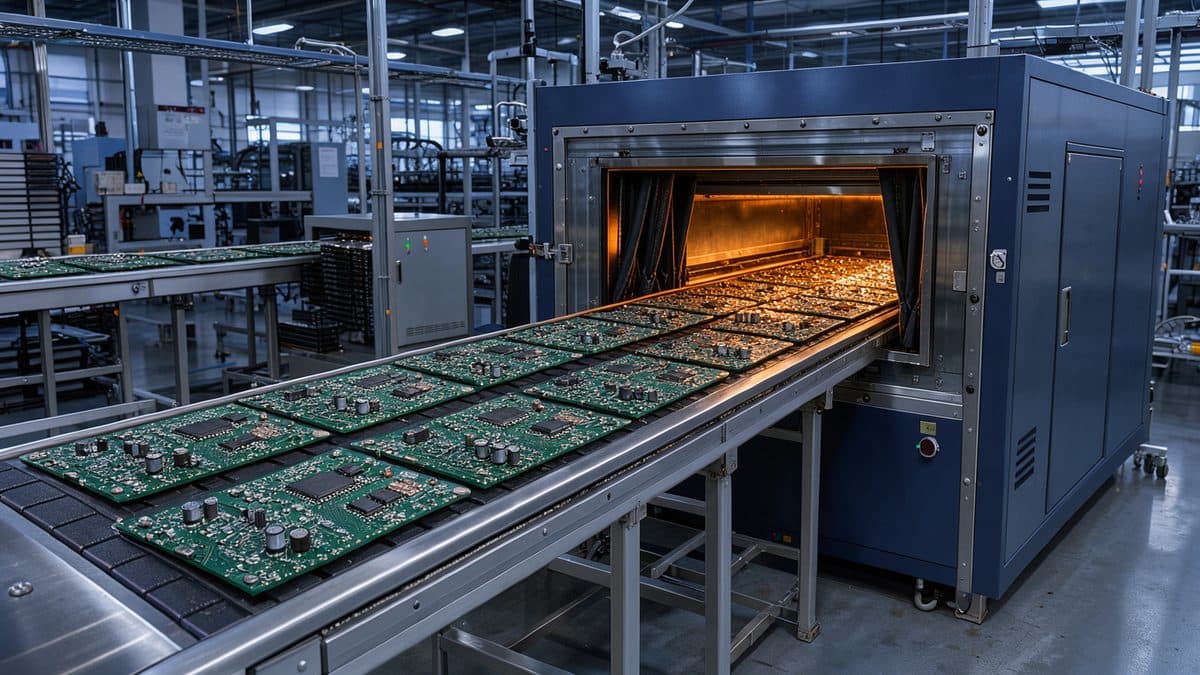
Reflow is one step in the lead time, not the whole clock.
The 10-day and 15-day options do not skip steps. They change the priority with which the job is scheduled through them.
Why the 15-day option costs less
A 15-day window gives the production planner room to group the job with similar builds, schedule the line more efficiently and absorb small interruptions without overtime. That flexibility is worth a 10% reduction in the build price in our rate structure.
If you have a hard deadline, choose 10 days and tell us the date. If you have a week of slack, the 15-day slot is usually the better commercial choice.
The four usual delays
1. Incomplete files. A missing outline, drill file or paste layer is the most common cause of a review bounce. Use the Gerber and BOM checklist before you upload.
2. Component availability. A single long-lead connector can dominate the schedule even when the assembly line is empty. Turnkey quotes should surface those exceptions before approval. Kitted builds depend on your shipment arriving complete and correctly labelled.
3. Unapproved changes. A substitution proposed during procurement, a quantity change, or a late BOM revision all restart part of the process. Approve or reject alternatives quickly.
4. Test ambiguity. If “functional test” is on the purchase order but no procedure exists, the boards sit at the end of the line waiting for a decision. Agree the test before the build, not after.
How to protect a deadline
- Submit the complete file package in one go.
- State the target ship date in the project notes, not only the standard turnaround.
- Choose the sourcing model deliberately and mark customer-supplied parts in the BOM.
- If a part is critical, tell us its lead time before we quote.
- Keep one decision-maker for alternates and test sign-off.
None of this requires a bigger team. It requires fewer open questions when the job is released.
What “quick turn” should mean
Quick turn is not a marketing adjective; it is a scheduling commitment with conditions. A useful supplier will tell you which conditions apply — file completeness, component readiness, test requirements — and will flag when a job is at risk rather than silently letting the date move.
Use the assembly calculator to see both turnaround options against your specification, then send the files and target date in the same submission.
Keep reading
All articles Quoting
How to get an accurate PCB assembly quote, first time
A quotation is only as good as the package behind it. Here is the information that changes the number, and the details that quietly delay a first article.
Read article Sourcing
Kitted, turnkey or mixed: choosing a PCB assembly sourcing model
Who buys the components changes the risk, the paperwork and the lead time. Here is how to choose without optimising for the wrong number.
Read article Quality
PCB assembly testing: electrical test, AOI and functional test
A board that powers up is not necessarily a board that works. The useful question is which failure modes you are trying to catch before the product leaves the building.
Read article